What a flour extraction rate tells a baker
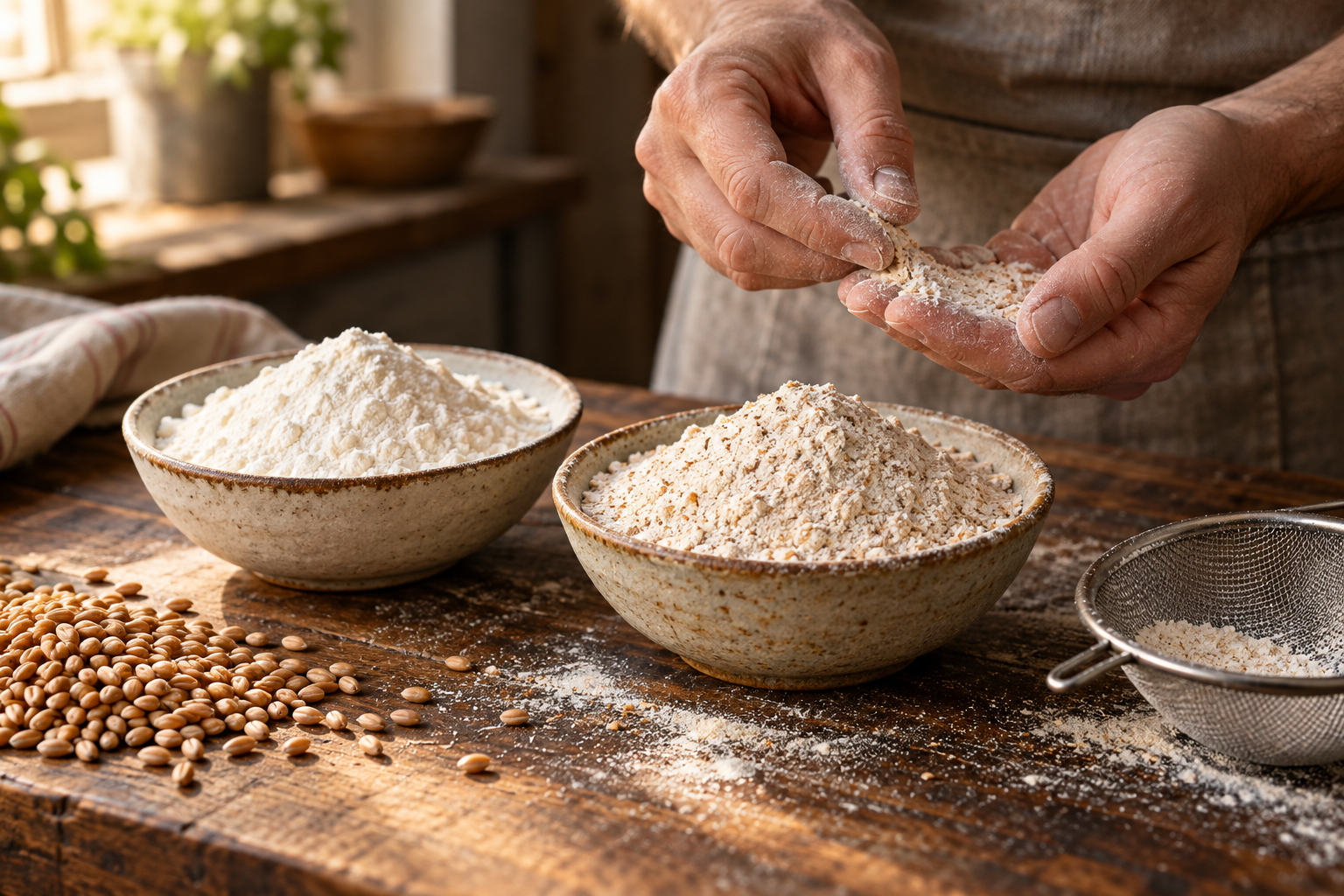
Flour extraction is a mill's yield figure, not a measure of gluten strength or a nutrition score. It offers a useful clue about the grain fractions in a flour, then asks the baker to look closer.
Ideas, observations & things worth sharing
Bread notes from a small kitchen: texture, time and the useful mistakes.
Words by Owen Mercer
Flour extraction is a mill's yield figure, not a measure of gluten strength or a nutrition score. It offers a useful clue about the grain fractions in a flour, then asks the baker to look closer.
Yeast makes carbon dioxide, but a loaf rises only while its dough can hold and distribute that gas. The bubbles begin during mixing, grow during proofing, and test the limits of the gluten-starch network before the oven can set it.
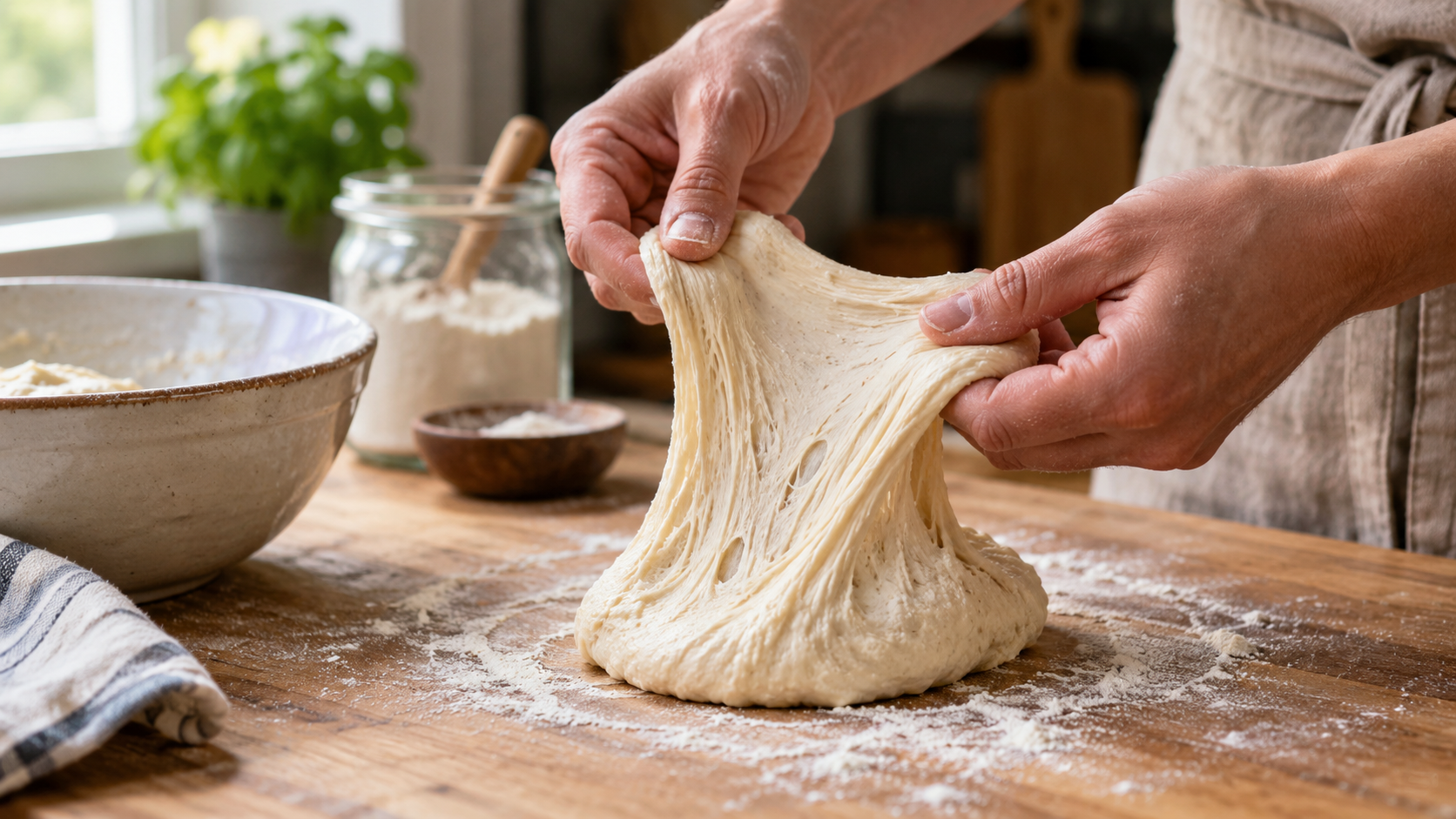
The worktop looked as though a small flour-based weather event had passed through Wellington. My hands were coated. The dough was coated. The sensible part of my brain had quietly left the room.
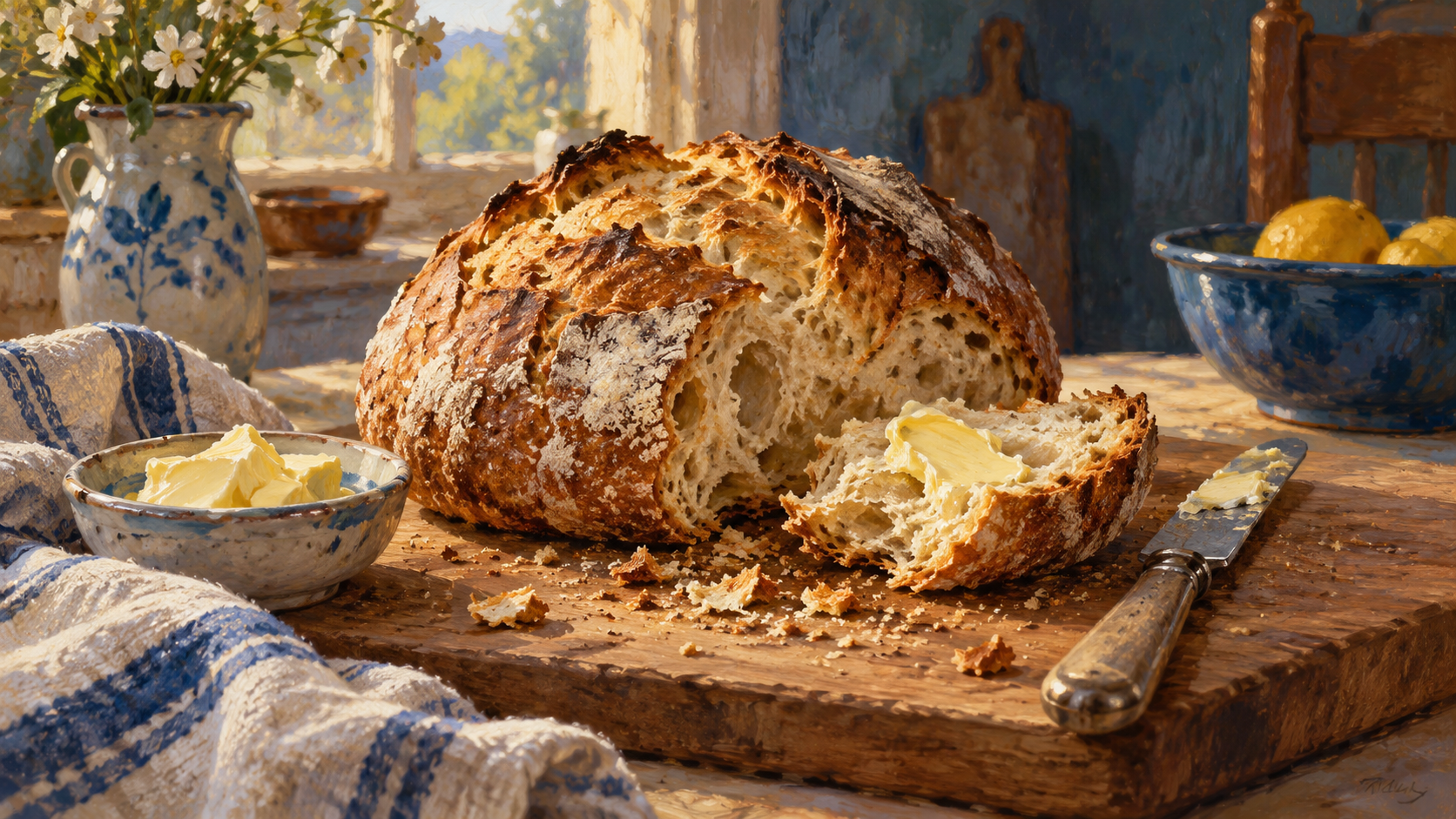
The loaf leaned to one side. Its surface had split in a place I had not planned, and a small section of crust looked like it had attempted to escape the rest of the bread.