What a flour extraction rate tells a baker
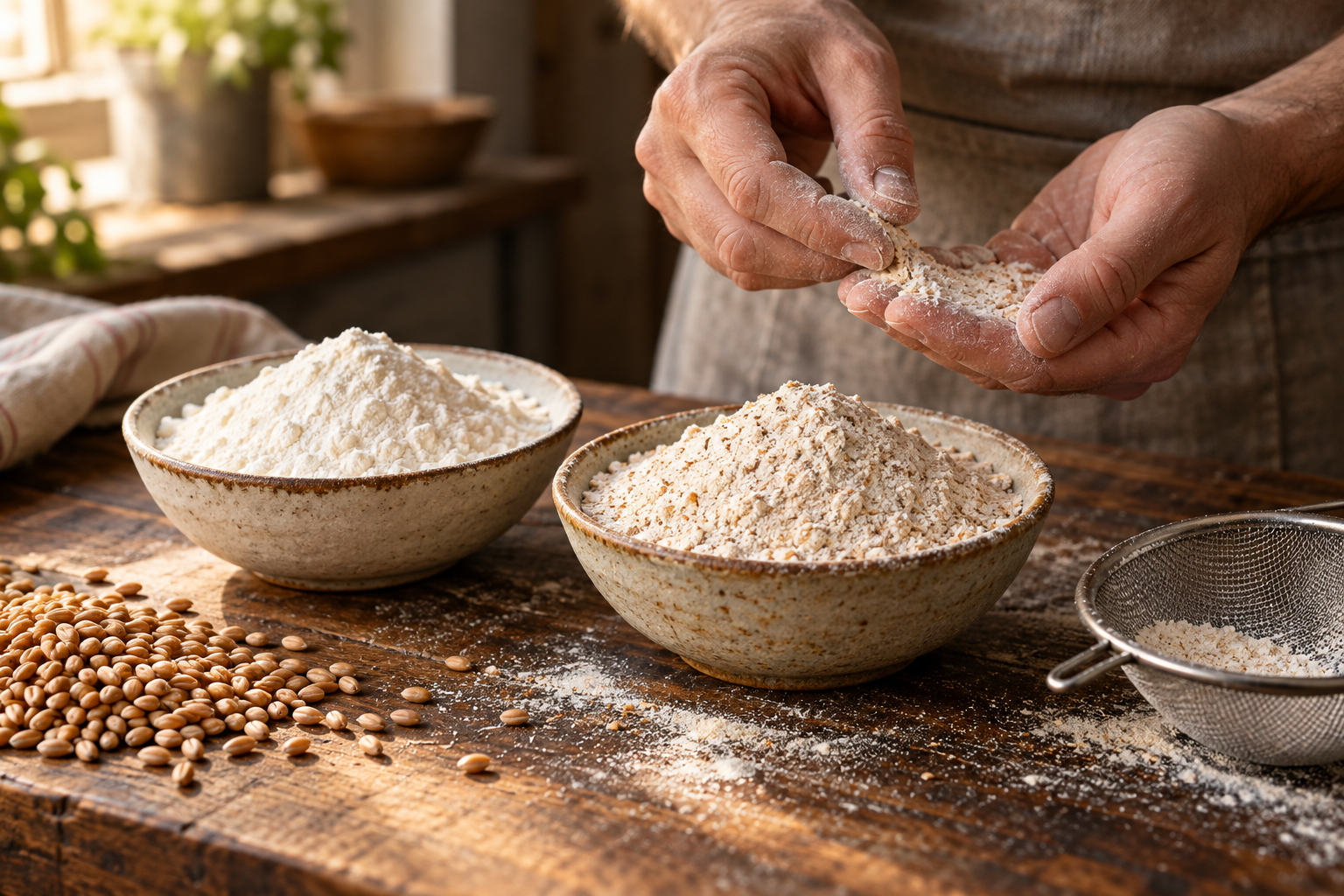
Flour extraction is a mill's yield figure, not a measure of gluten strength or a nutrition score. It offers a useful clue about the grain fractions in a flour, then asks the baker to look closer.

About the author
I am a Wellington-based weekend baker who works as a drafter during the week. I began making bread because the process gave me a reason to put down a screen and pay attention to something changing slowly. My early loaves were memorable mostly for their density; a notebook proved more useful than buying another gadget.
Crust & Crumb records what I notice in a cool home kitchen: dough texture, flour choices, pauses, the feel of a loaf the next day and the difference between an attractive photograph and bread people want to eat. I prefer careful observations to sweeping rules and enjoy repeating a modest recipe until it becomes familiar.
I share my kitchen with a partner who is less interested in fermentation notes than in reliable toast. My other interests include coastal walks, fixing old furniture and collecting handwritten recipes whose missing details become questions for the next bake.
Flour extraction is a mill's yield figure, not a measure of gluten strength or a nutrition score. It offers a useful clue about the grain fractions in a flour, then asks the baker to look closer.
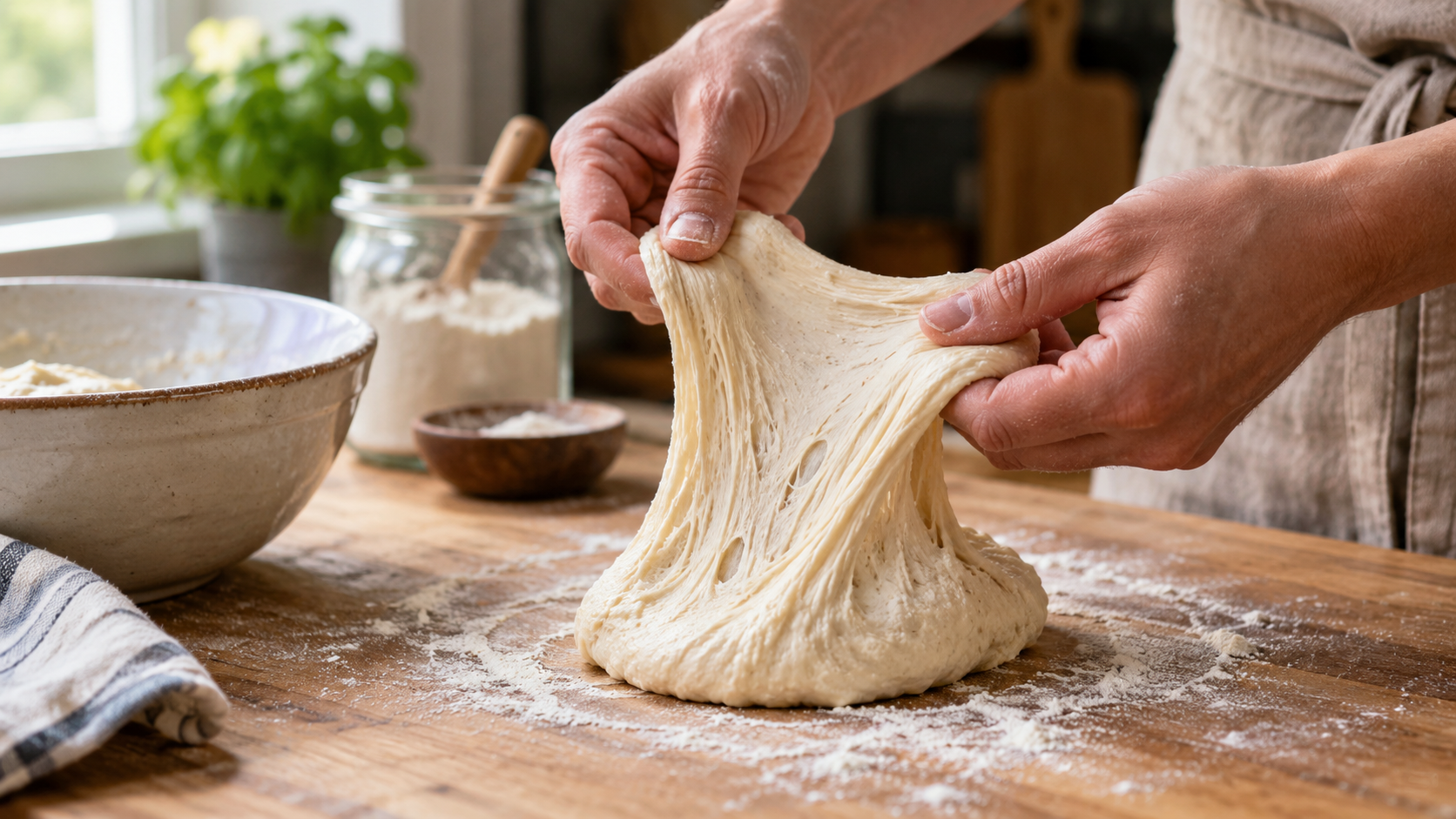
Yeast makes carbon dioxide, but a loaf rises only while its dough can hold and distribute that gas. The bubbles begin during mixing, grow during proofing, and test the limits of the gluten-starch network before the oven can set it.
The worktop looked as though a small flour-based weather event had passed through Wellington. My hands were coated. The dough was coated. The sensible part of my brain had quietly left the room.
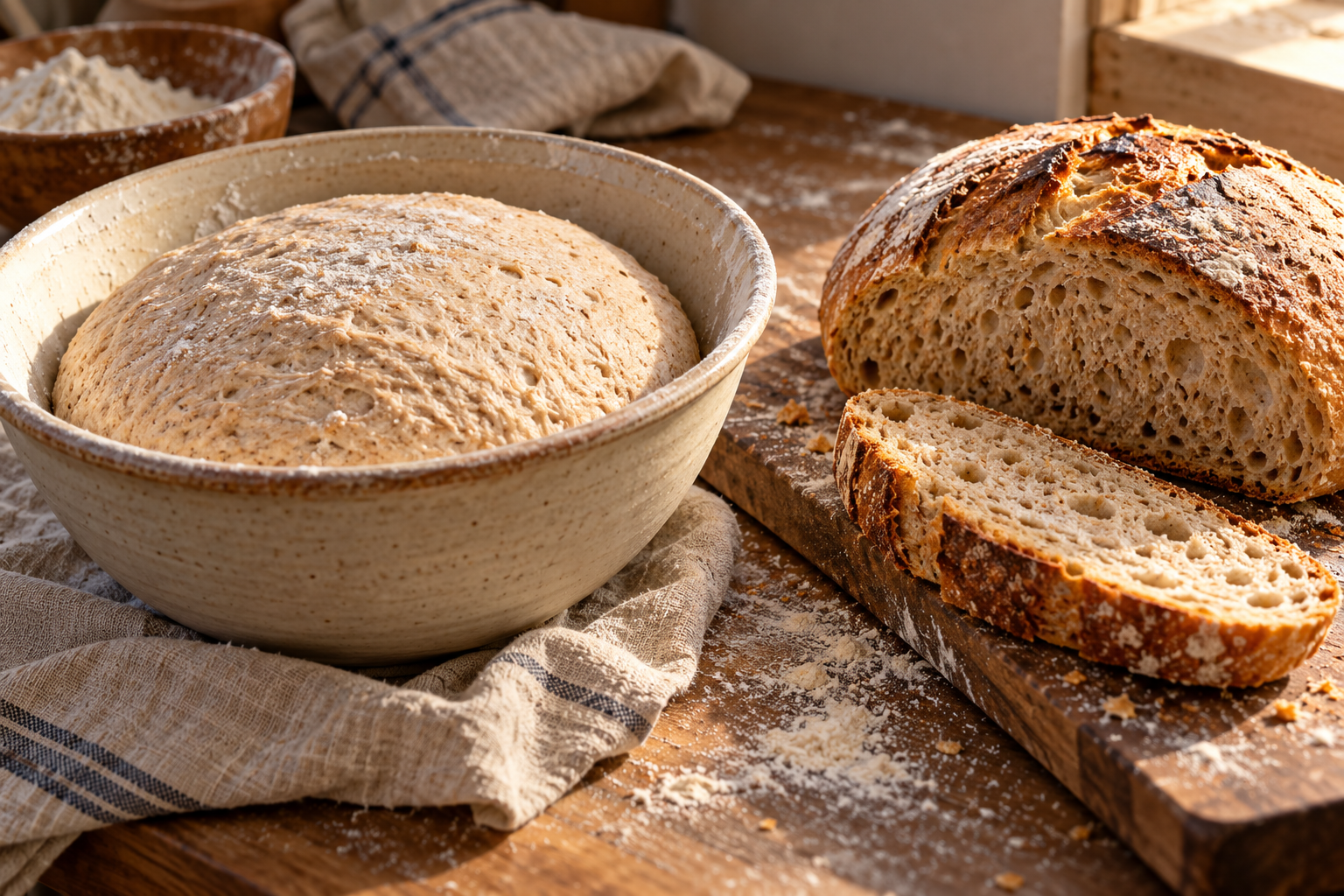
The loaf leaned to one side. Its surface had split in a place I had not planned, and a small section of crust looked like it had attempted to escape the rest of the bread.